
Why Online Answers Contradict Each Other
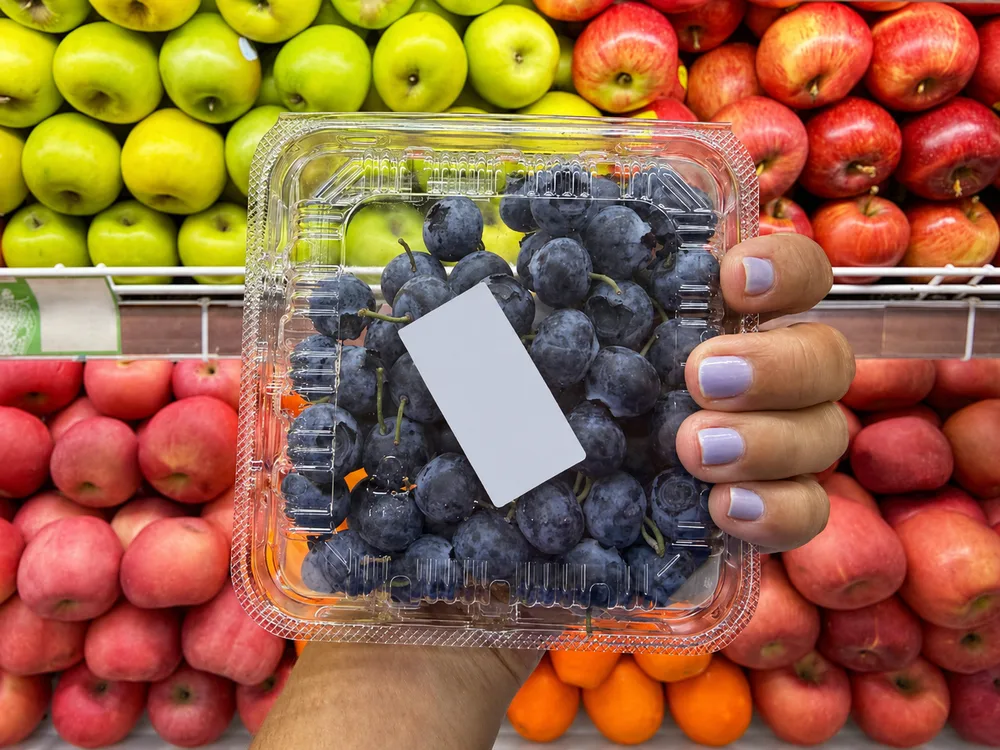
A clear PET blueberry clamshell may be accepted in one city and rejected in another. This isn’t inconsistency or error — it reflects how recycling systems actually work. Collection programs, sorting equipment, and end markets for recovered material vary by country, state, and sometimes city. What changed in Oregon under its 2025 Recycling Modernization Act doesn’t apply in London or Tokyo.
For consumers, the correct approach is to identify the material and then check the current instructions from your local recycling provider — not to rely on a general internet answer. For packaging buyers, the destination market should be confirmed before sustainability claims are printed on the label. A disposal instruction that’s accurate in one market may be wrong in another.
If you’re sourcing fruit packaging for retail or export, understanding these differences early can help you avoid printing disposal instructions that don’t match your buyers’ local systems. The same market-specific assessment applies when selecting Disposable Plastic Food Containers. For more on matching packaging to market needs, see our guide to blueberry packaging for retail and export; for the practical applications and limitations of the resin itself, read the PET containers for food guide.
The Recycling Number Is Not a Recycling Promise
The number moulded into a plastic container is a Resin Identification Code. It identifies the primary material. ASTM, which oversees the standard, states explicitly that these codes are not “recycle codes” — the presence of a number does not mean the package is accepted by local collection systems. The code identifies the resin; the local facility decides whether to accept the format.
| Code | Material |
|---|---|
| #1 | PET |
| #2 | HDPE |
| #4 | LDPE |
| #5 | PP |
| #6 | PS |
| #7 | Other or mixed plastics |
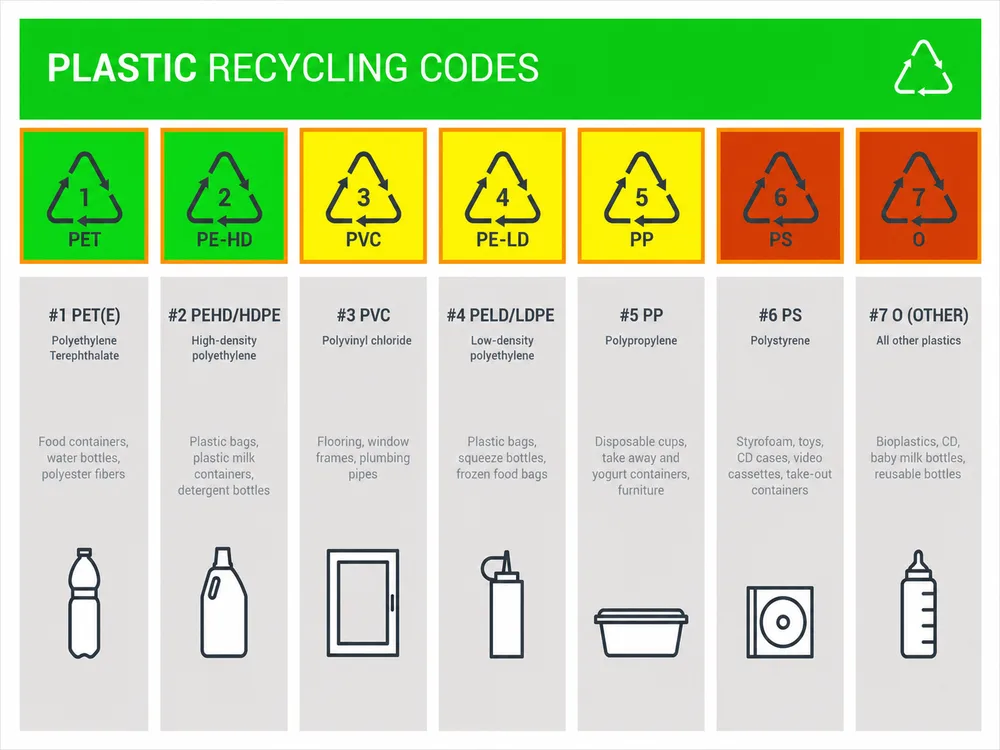
A number 1 on a fruit clamshell tells you the primary material is PET. It doesn’t tell you whether your city accepts PET trays, whether the local facility can sort them, or whether there’s an end market for the recovered material.
This is why a PET beverage bottle and a PET fruit tray can carry the same number yet follow very different paths — or dead ends — in the recycling system. PET bottles have long-established collection markets. Thermoformed PET packaging like fruit trays and clamshells presents additional sorting and processing questions that not every facility handles in the same way. For a deeper look at how these materials differ in practice, read our guide to PET, PP, PS, and OPS plastic food packaging.
Rigid Containers, Films, Bags, and Pouches: Not the Same Stream
“Fruit packaging” covers very different formats, and they should not go into the same recycling stream just because they once held fruit.
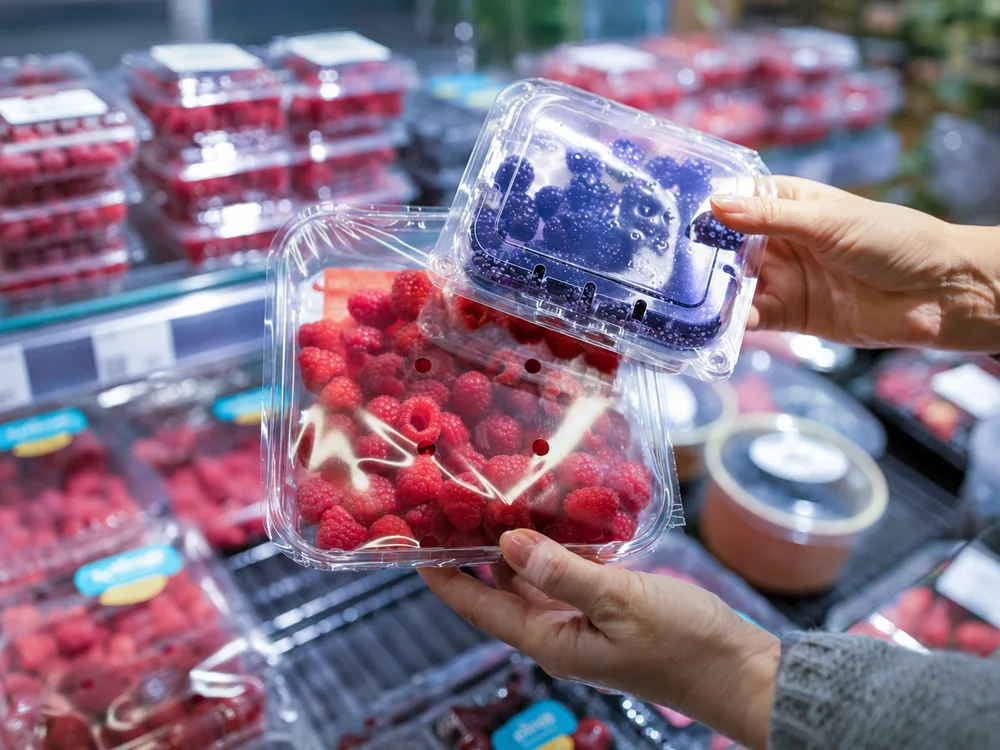
Rigid PET containers — berry clamshells, grape punnets, fresh-cut fruit trays, fruit cups — are technically recyclable and are the most likely to be accepted where PET thermoform programs exist. Clear containers perform better in sorting than dark or opaque ones. The Association of Plastic Recyclers publishes specific design guidance for PET thermoforms because their processing conditions differ from bottles. Our clamshell packaging overview covers the range of rigid PET formats available for fruit applications.
PP containers are used where different closure properties or temperature resistance matter. Acceptance varies by facility and market.
Flexible produce bags and lidding films are generally not accepted in standard household recycling. Some retail drop-off programs accept specified polyethylene bags and films — but these programs typically exclude multilayer pouches, metallised films, compostable bags, and produce netting.
Fruit purée pouches and prepared-fruit pouches often combine several material layers for oxygen and moisture protection. The pouch, spout, and cap may use different materials. These generally cannot be treated like a rigid PET clamshell and should follow the specific disposal instructions for the destination market.
Mesh fruit netting can tangle sorting equipment and should not be placed in film collection points unless the program explicitly lists it.
Understanding which format suits your product is as important as understanding the disposal route. See what is the best packaging for fresh fruit for format selection guidance by fruit type and supply chain.
What Makes a Rigid PET Container Easier — or Harder — to Recycle
Technical recyclability is necessary but not sufficient. The container must travel through a material recovery facility, be correctly identified and sorted, and remain compatible with washing and reprocessing. Several design choices affect whether that happens successfully.
Colour matters significantly. Clear PET is more versatile in recovered form and easier for near-infrared sorting systems to identify. Dark or black PET thermoforms are typically problematic for optical sorting, and end markets for coloured PET are limited. APR guidance specifically flags black thermoforms as difficult for most sorting systems.
Label coverage affects sorting. Large labels covering most of the container can prevent optical equipment from identifying the material beneath. Label substrate, ink, and adhesive must also be compatible with PET recycling — adhesive that remains on the material during washing can contaminate the recovered flake.
Mixed materials complicate processing. A PET tray combined with an inseparable cardboard base, PVC component, or multilayer film is harder to handle than a mono-material structure. The question is whether attached components can be separated during the normal recycling process.
Size is a practical constraint. APR thermoform guidance notes that packages larger than approximately 2 inches (5 cm) in at least two dimensions are preferable for sorting screens. Very small lids, tear strips, and detached parts can fall through.
Fruit residue can contaminate the stream. Emptying the container and removing obvious residue before disposal improves its chance of being processed. The goal is removing the fruit and liquid — not scrubbing with hot water and detergent to remove every trace.
What Consumers Can Do
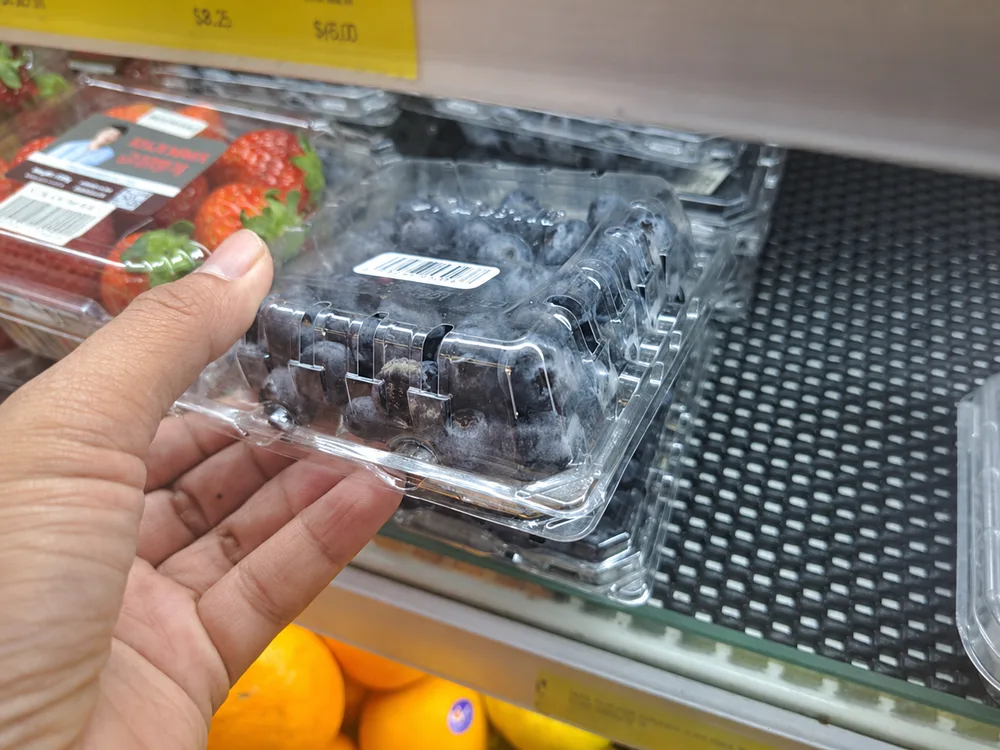
For consumers preparing rigid fruit containers: empty, rinse lightly if sticky, let drain, and follow local instructions for that package shape. On flattening — if the local provider recommends it, do it; if not, a crushed lightweight clamshell may sort less reliably than an intact one.
For packaging that holds delicate produce — blueberries, raspberries, strawberries, grapes — the container does more than carry the fruit. It supports ventilation, reduces crushing, and maintains carton stacking integrity. Removing too much material without testing can result in more product damage, opened clamshells during transport, or food waste. A lower package weight isn’t beneficial if it leads to spoiled fruit. For more on produce protection, read how packaging affects fruit ripening and shelf life.
rPET, Recycled Content, and What GRS Actually Certifies
Three terms are frequently used interchangeably but describe different things:
- Recyclable — whether a package is capable of entering a suitable recycling process after use.
- Recycled content — how much recycled material was used to manufacture the package.
- Actually recycled — what happened to the package after the consumer discarded it.
A package may be technically recyclable but not collected locally. It may contain recycled material even though the local market doesn’t accept it after use. These concepts sit at different points in the material’s lifecycle and shouldn’t be conflated in marketing claims or product specifications.
rPET is recovered and reprocessed PET used as raw material for new packaging. In fruit packaging, it may be blended with virgin PET at a specified percentage — common commercial targets include 30% or 50% recycled content. A fruit tray containing 50% rPET is not automatically accepted by every household recycling system, just as a clear virgin PET clamshell may still be accepted where the local system collects PET thermoforms. Recycled content and post-use recyclability are separate questions.
A higher rPET percentage is not automatically the correct specification for every application. The buyer should assess food-contact compliance, product clarity, colour consistency, hinge and closure performance, stacking strength, supply stability, and regulatory requirements for the destination market alongside the recycled-content target. For StlPak projects, 30% and 50% rPET options can be discussed according to the target market, packaging structure, and documentation requirements. Higher recycled-content targets should be reviewed case by case with performance and compliance verification.
GRS (Global Recycled Standard) certifies and tracks recycled raw materials through a supply chain and includes processing requirements covering chemical, environmental, and social criteria at certified facilities. What GRS can support: recycled-material sourcing claims, chain-of-custody control, certified processing stages, and recycled-content documentation. What GRS does not prove: that a fruit package is accepted by every local recycling system, that it complies with every food-contact regulation, or that it carries an unrestricted recyclability claim in every market. Buyers should review the certificate scope, certified company, product category, validity, and transaction documentation rather than relying on a GRS logo alone. See our certifications and compliance page for more on what documentation to look for.
Packaging Buyers: How to Specify Recyclable Fruit Packaging
A purchasing specification is more useful than asking for “eco-friendly packaging.” Start by identifying the target country and local disposal route. Then define the package format, fruit type, packed weight, required ventilation, closure, label, and recycled-content target.
For a PET or rPET fruit packaging project, the specification should consider:
- Clear PET where possible; avoid dark colourants
- Mono-material structure where practical
- Target rPET percentage with supporting documentation
- Visible resin identification code
- Limited label coverage; recycling-compatible label and adhesive systems
- Easily separable secondary components
- Appropriate package size for sorting (at least 2 inches in two dimensions)
- Food-contact compliance documentation for the destination market
- GRS scope certificate and transaction certificates where recycled content must be verified
- Filled-package testing before mass production
This allows the supplier to balance recyclability, fruit protection, production feasibility, and cost rather than optimising for one factor at the expense of others.
Documents to Request
| Document | What to check |
|---|---|
| Material specification | Resin type, rPET percentage, structure, thickness |
| Recycled-content declaration | Declared percentage and supporting basis |
| GRS scope and transaction certificates | Certified company, product category, validity |
| Food-contact test reports | Market covered, simulants, temperature, contact time |
| Migration or compliance documentation | Applicable regulation for destination market |
| Batch or production traceability | Connecting finished packaging to material records |
| Samples | For filling, closure, cold-chain, and stacking tests |
In the European Union, recycled plastic materials intended for direct food contact are also subject to Regulation (EU) 2022/1616. Regulation (EU) 2025/40 on packaging and packaging waste introduces EU-wide recyclability and labelling requirements generally applying from August 2026, distinguishing between packaging designed for material recycling and packaging recyclable at scale. Before placing a new fruit punnet or clamshell on the EU market, buyers should review the applicable packaging category, recycled-content rules, food-contact requirements, and labelling obligations.
For grape packaging specifically, which involves additional considerations around ventilation and bunch protection, see our guide on how grapes are packaged for retail and export. For produce tray formats, browse our produce packaging trays page.
Is Less Plastic Always Better?
Reducing unnecessary packaging material matters, but fruit packaging also protects a perishable product. For delicate fruits like blueberries, raspberries, strawberries, and grapes, the container supports ventilation, reduces crushing, and maintains carton stacking integrity. Removing too much material without testing may weaken sidewalls, closure, or base.
A lower package weight isn’t beneficial if it results in more product damage, opened clamshells during transport, crushed berries, juice leakage, or food waste. The objective is to use no more packaging than necessary while maintaining the protection required for the actual supply chain. For a packaging buyer, lightweighting should be supported by filled-pack testing — not judged from the empty container’s gram weight alone.
For practical packaging guidance by fruit type, see how to package fresh fruit for retail sale. For blueberry-specific solutions, browse our blueberry punnet range.
Common Questions
Does the recycling number mean the package is recyclable?
No. The Resin Identification Code identifies the primary material. It doesn’t confirm that local collection and sorting systems accept that packaging format.
Why are PET bottles accepted but some fruit clamshells aren’t?
Both may carry resin code #1, but the recycling facility must identify, separate, and process each format successfully. PET bottles have established long-term collection markets. Thermoformed containers present additional sorting and processing questions — size, shape, colour, and label coverage — that not every facility handles the same way.
Should I wash fruit containers before recycling?
Empty the container and remove obvious residue. A light rinse is helpful when sticky. Follow local instructions for that specific package format rather than scrubbing thoroughly — the goal is residue removal, not a spotless container.
Can fruit pouches go in the same bin as rigid clamshells?
No. Flexible fruit pouches, produce bags, and mesh netting are different materials that typically require different disposal routes. Check local instructions for each format separately.
What does rPET mean on fruit packaging?
rPET is recycled PET material used as input for new packaging. It describes where the material came from, not what will happen to the package after use. Recycled content and post-use recyclability are separate properties.
What does a GRS certificate confirm?
GRS certifies recycled-material sourcing and chain-of-custody traceability through a supply chain. It does not confirm that the package meets food-contact regulations or that it will be accepted by local recycling systems.
How should buyers specify recyclable fruit packaging?
Define the destination market, package format, fruit type, packed weight, and recycled-content target. Specify clear PET, limited label coverage, recycling-compatible adhesives, and a mono-material structure where practical. Request food-contact documentation, GRS certificates, and filled-package samples before committing to bulk production.
About StlPak
StlPak manufactures clear PET and rPET fruit punnets, clamshells, trays, and cups for berry, grape, fresh-cut fruit, and retail packaging programs. With 600+ existing mold designs, 33,600 m² of factory area, and 42 fully automatic thermoforming machines, StlPak supports scalable production, mold matching, labeling and printing services, and export delivery. Buyers can share their target market, fruit type, packed weight, recycled-content requirement, and required compliance documents so that suitable packaging options and documentation can be assessed before production begins. Contact our team to discuss your fruit packaging project.