
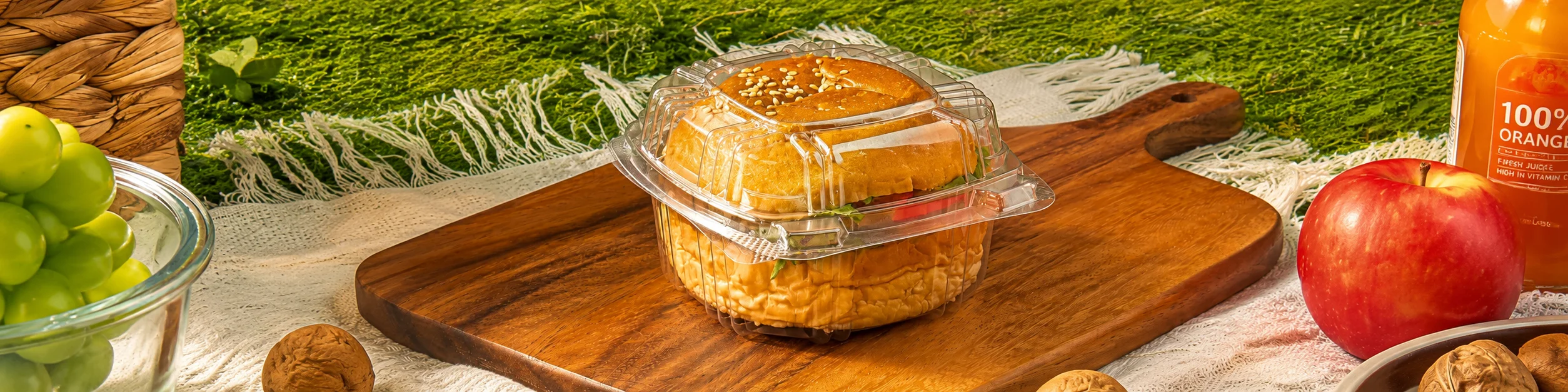
StlPak Burger Containers Manufacturer
StlPak manufactures clear PET and rPET burger containers for bakery cafés, supermarkets, takeaway, grab-and-go programs and wholesale distribution. Our range covers compact single-burger boxes, standard hinged burger containers, deeper bun packaging and larger ready-to-eat food formats, helping buyers match the right container to the bun diameter, finished product height, filling volume and sales channel.
Our clear burger packaging can be used for hamburgers, cheeseburgers, bagel sandwiches, brioche buns, filled rolls, bakery sandwiches and other ready-to-sell foods with similar dimensions. Different container sizes and depths allow buyers to compare suitable options for small burgers, standard portions, premium filled buns and larger meal formats.
A suitable burger container should do more than hold the food. It needs to protect the bun from compression, keep fillings in place, provide enough internal height, maintain reliable closure performance and present the product clearly. StlPak offers different base dimensions, lid heights, closure structures and carton-loading options to support these requirements.
Whether you need a practical stock container for a standard burger program or a larger format for premium sandwiches and grab-and-go meals, our team can help recommend suitable options and arrange samples for evaluation. Explore more bakery and retail formats from a plastic food packaging manufacturer with standard and custom options.
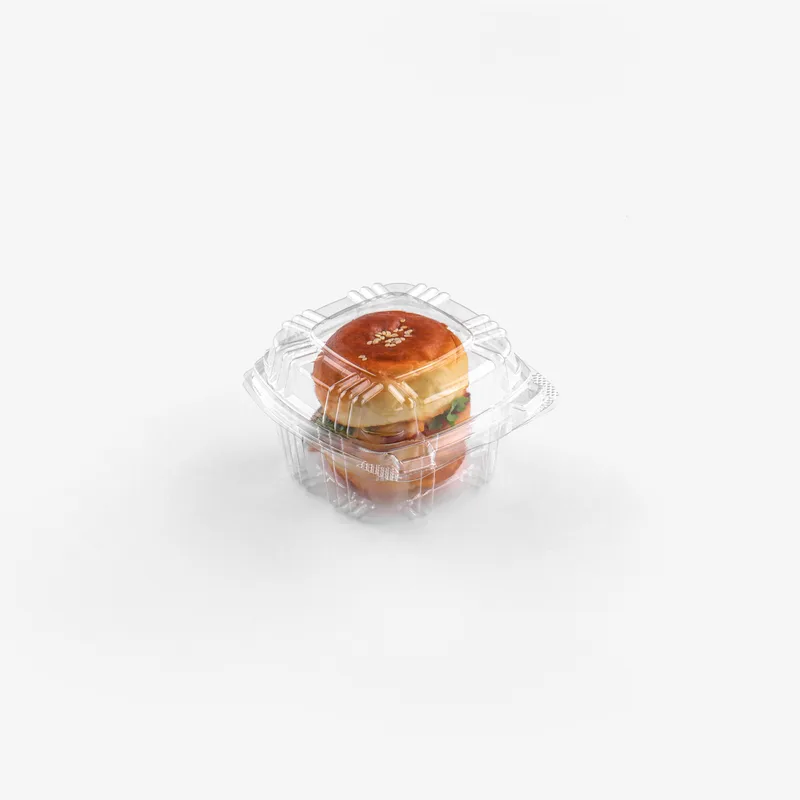
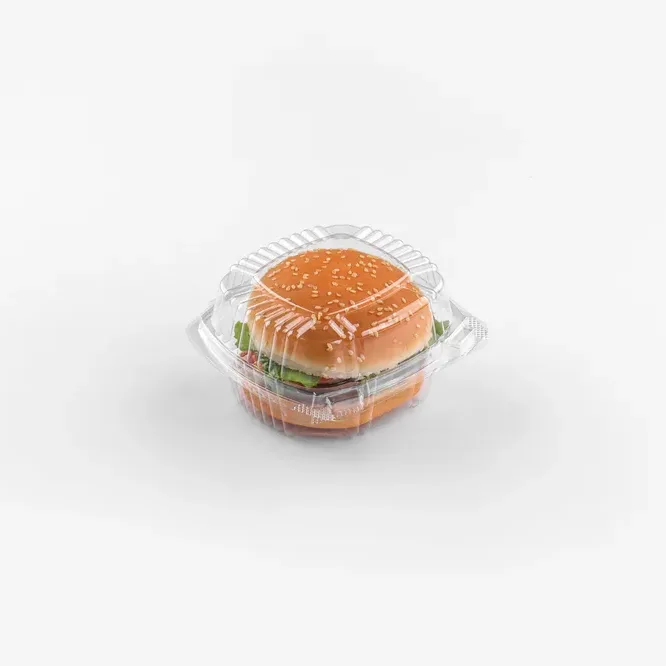
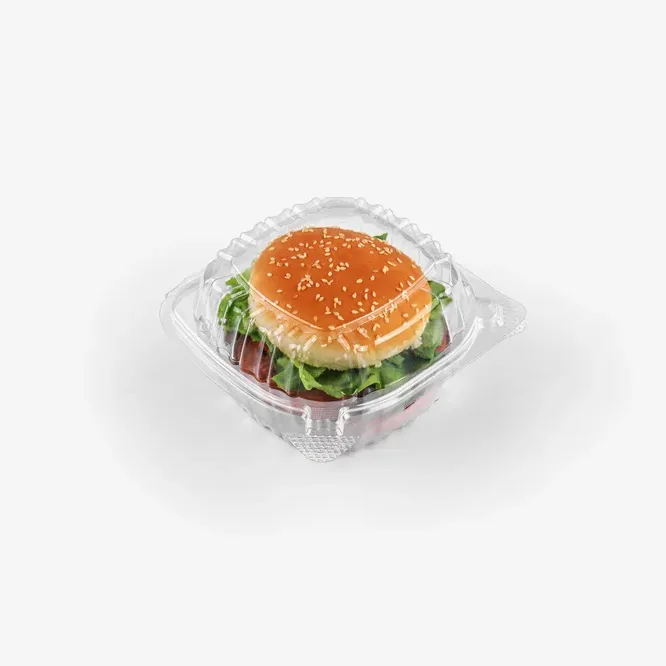
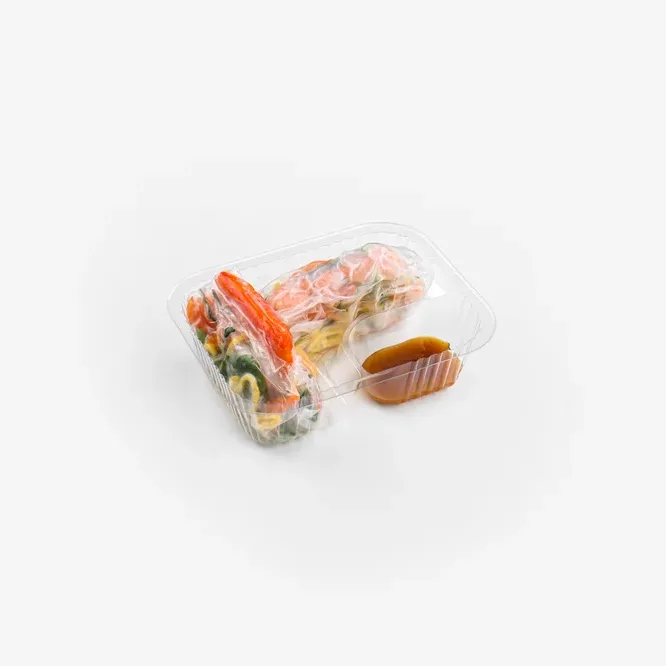
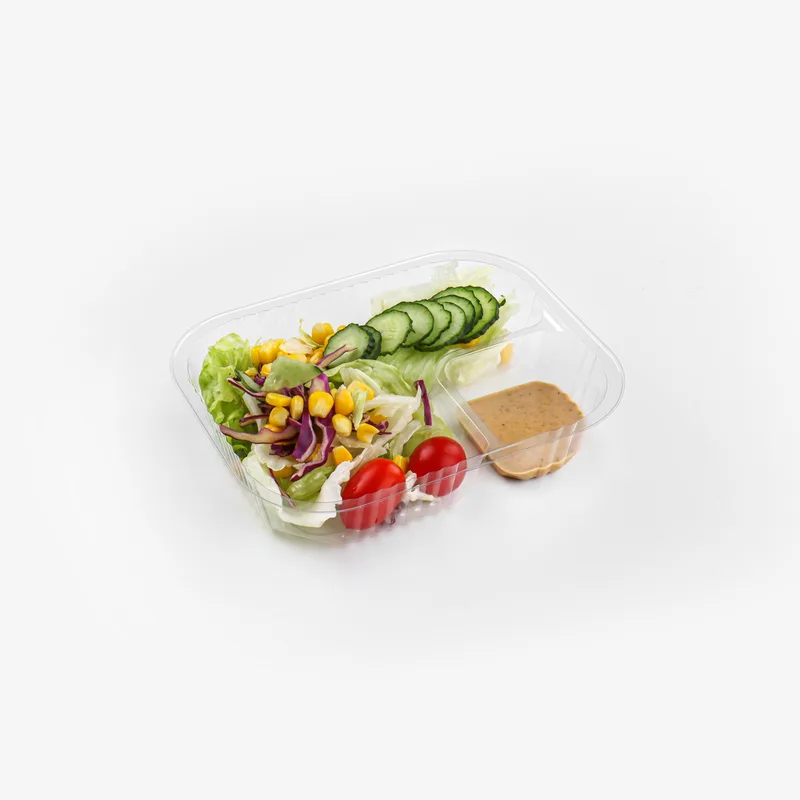
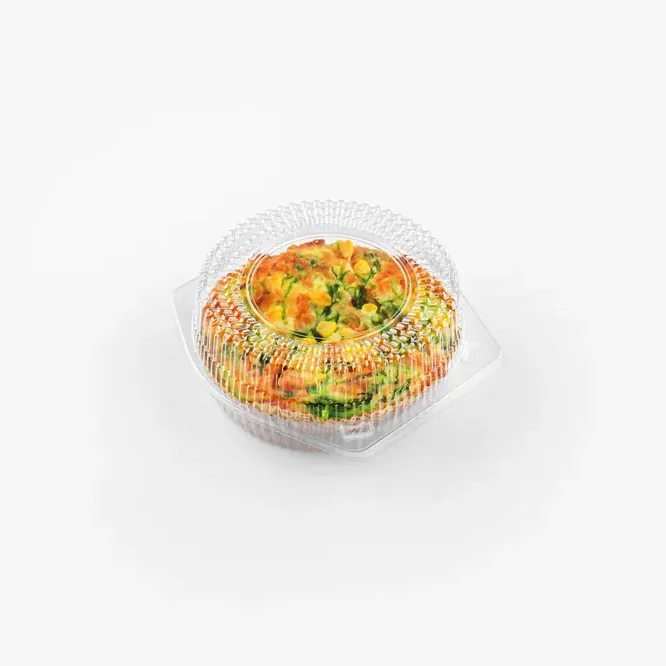
Burger Containers Specifications
| Model | Category | Product Size (mm) | Carton Size (mm) | Qty/Carton | Packing | Weight |
|---|---|---|---|---|---|---|
| STL-H350 | Burger Containers | 110 x 115 x 75 | 545 x 520 x 240 | 500 pcs/ctn | 100 x 5 | 11.58 g |
| STL-H450 | Burger Containers | 130 x 130 x 70 | 665 x 535 x 265 | 500 pcs/ctn | 100 x 5 | 12.5 g |
| STL-H538 | Burger Containers | 135 x 133 x 70 | 455 x 275 x 280 | 200 pcs/ctn | 50 x 4 | 16 g |
| STL-HL001 | Burger Containers | 153 x 152 x 80 | 625 x 570 x 315 | 400 pcs/ctn | 100 x 4 | 23 g |
| STL-NTP01 | Burger Containers | 160 x 126 x 42 | — | 1,000 pcs/ctn | 100 x 16 | 10 g |
| STL-NTP02 | Burger Containers | 202 x 158 x 41 | — | 800 pcs/ctn | 100 x 12 | 17 g |
| STL-PZ601 | Burger Containers | 174 x 176 x 65 | — | 400 pcs/ctn | 100 x 4 | 17 g |
| STL-PZ801 | Burger Containers | 226 x 228 x 65 | — | 400 pcs/ctn | 100 x 4 | 31 g |
Right Burger Container Fit for Better Packing
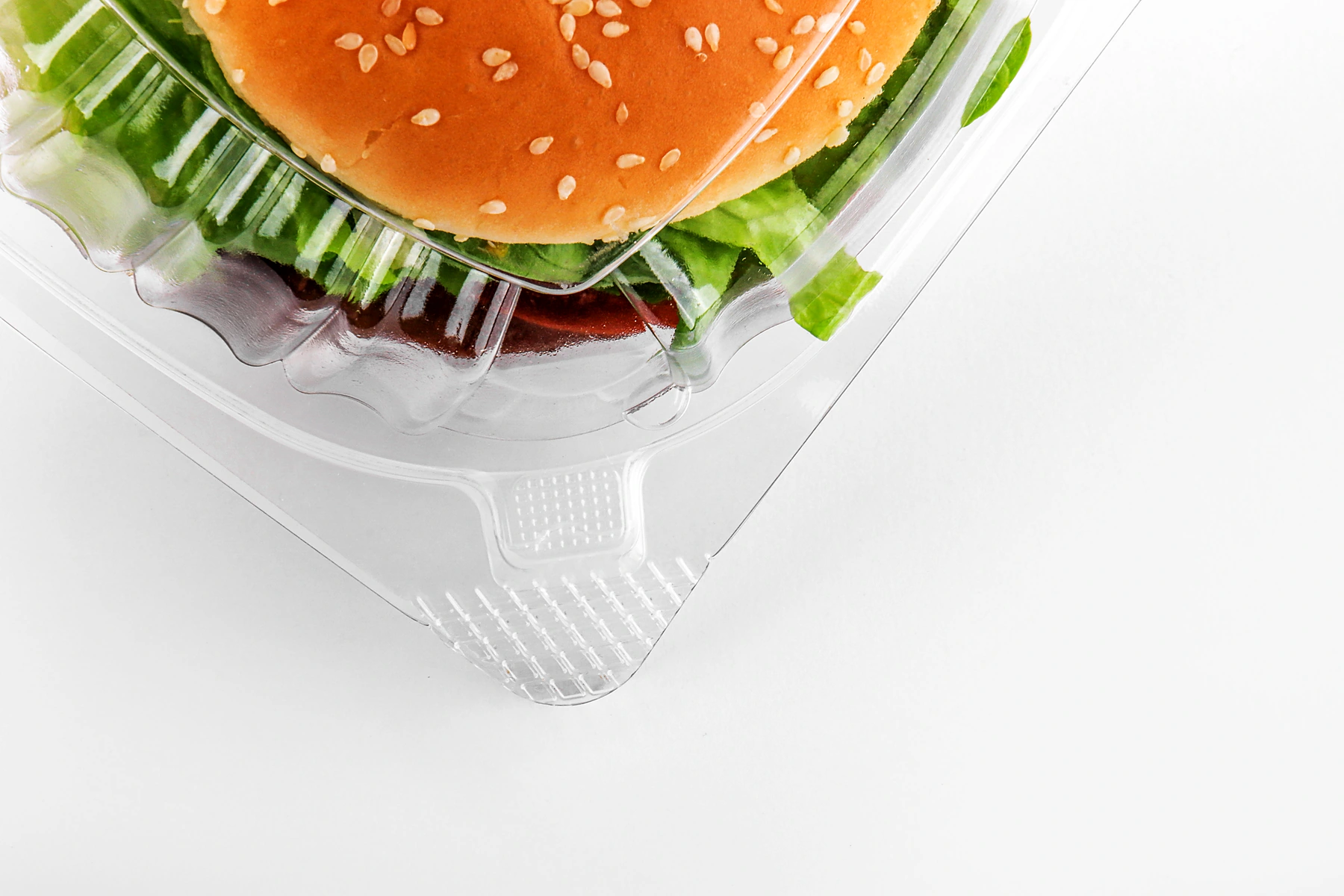
A suitable burger container should hold the finished product securely without pressing the bun, fillings or toppings. Burgers with the same bun diameter may require different container heights depending on the patty thickness, cheese, vegetables, sauces and overall product structure.
If the container is too low, the lid may compress the bun or cause fillings to shift during closing. If the container is too large, the burger may slide, tilt or look undersized inside the package.
StlPak helps customers choose suitable burger container sizes based on bun diameter, finished height, filling volume, packing temperature and sales channel, so the final package protects the product and supports a cleaner retail or takeaway presentation.
Burger Containers for Takeaway and Transport
Burger packaging should protect the finished food without compressing the bun or allowing excessive movement. Base support, usable height, closure design, stacking pattern and carton layout need to work together, especially for takeaway delivery, supermarket grab-and-go displays and multi-store foodservice programs.
More internal space does not always provide better protection. A suitable container should leave enough room for the complete burger while keeping the product stable during closing, lifting, carton loading and delivery.
Packing temperature should also be considered. Food that is sealed while excessively hot may create condensation, reduce package clarity or affect container performance. Buyers should test the selected container with the actual product and intended packing conditions.
StlPak offers different burger container structures, helping customers evaluate suitable options based on product dimensions, filling height, delivery distance and retail requirements.
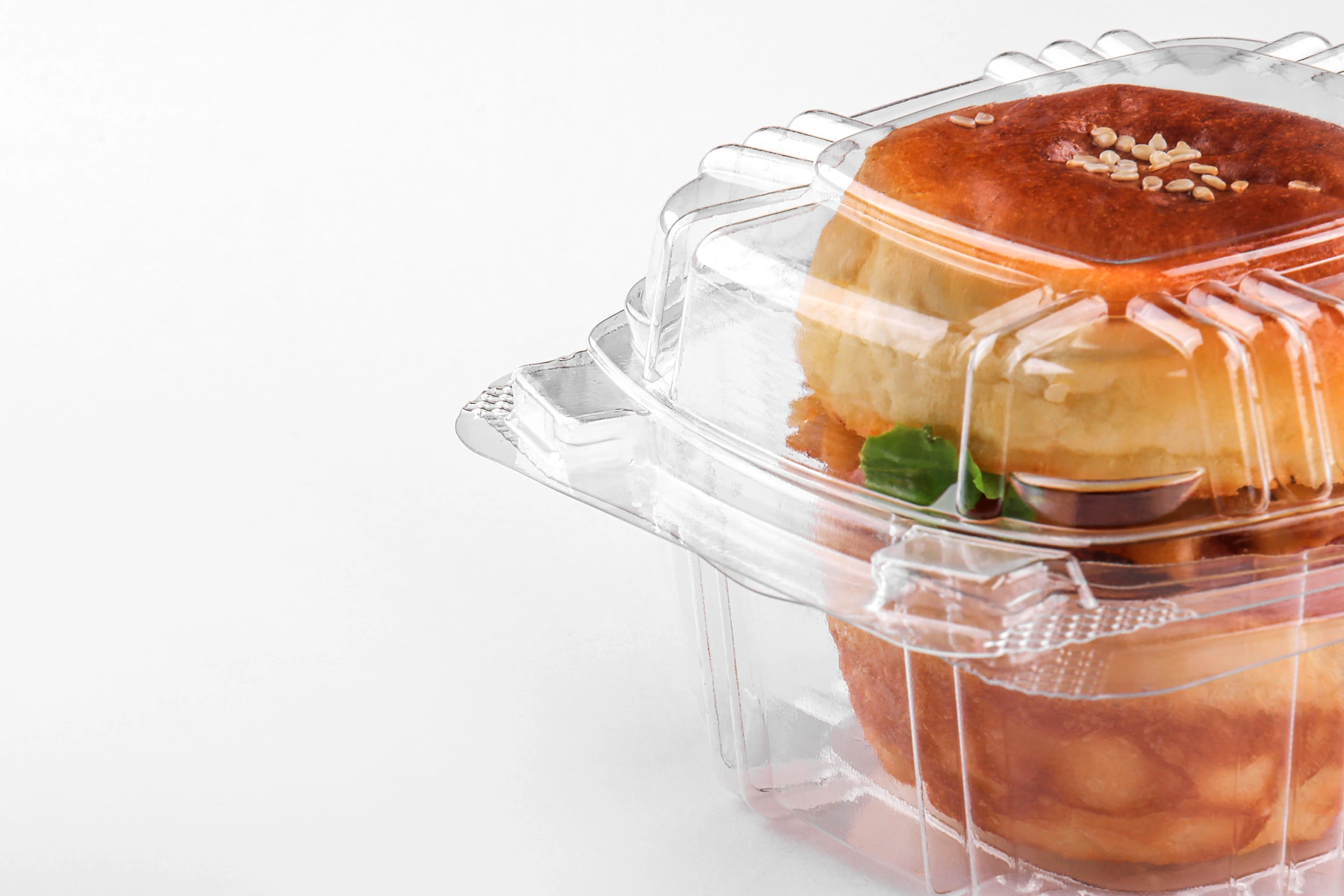
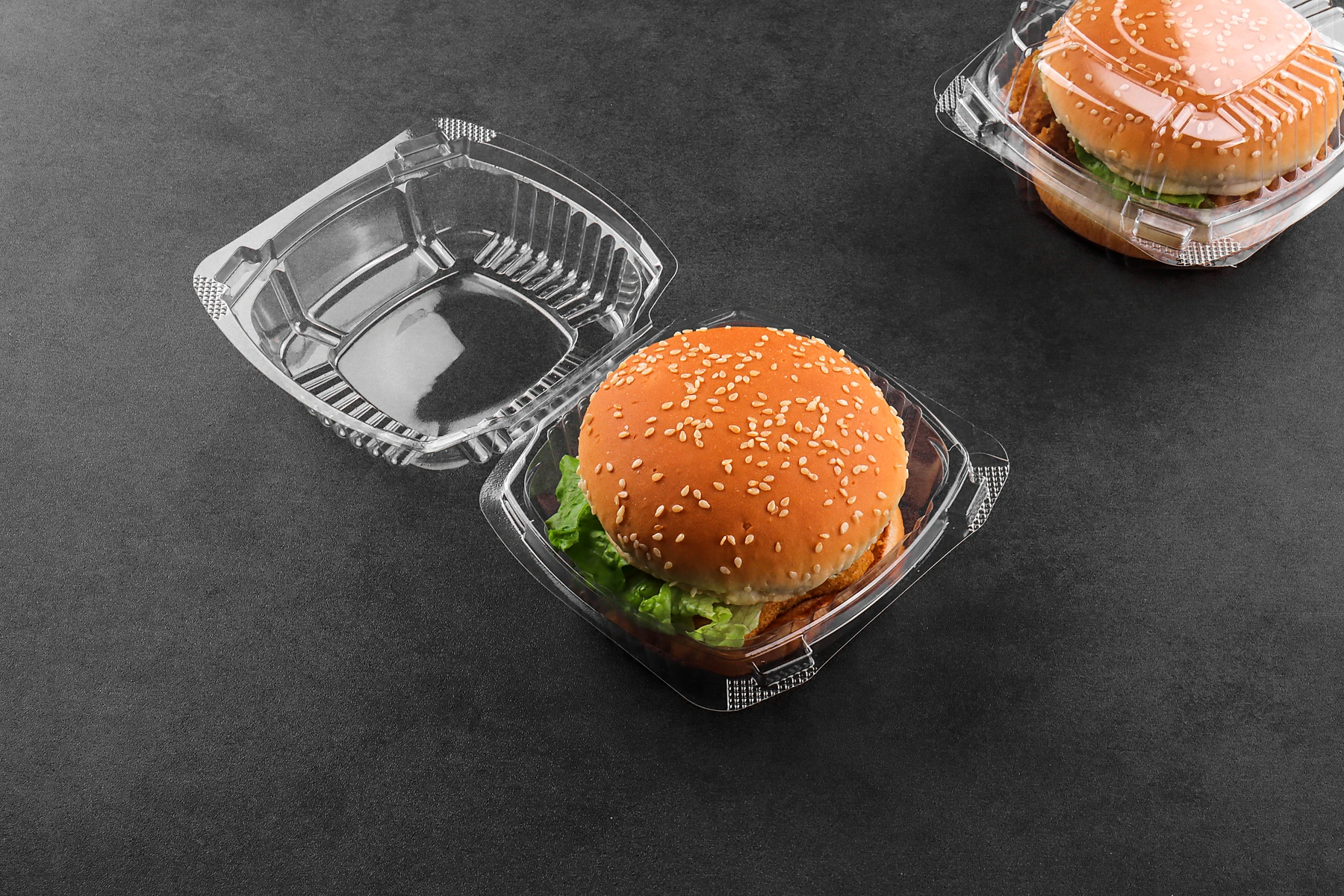
Stock Molds, Labels and Custom Burger Container Options
A custom burger container project does not always require a new mold. In many cases, an existing compact, standard or deeper hinged container can already meet the required bun diameter, product height, closure and takeaway needs.
For retail and foodservice programs, StlPak can also support label areas, automatic labeling and printing solutions, helping brands add logos, barcodes, ingredients and market-specific information without changing the main container structure.
When existing molds cannot meet the required base dimensions, lid height, product structure or label area, StlPak can evaluate custom development according to the expected order quantity and technical requirements.
Burger Container Sample Support Before Bulk Orders
Choosing a burger container only from a catalogue is not enough. The sample should be checked with the actual burger, bun, fillings, target packing temperature, label and transport conditions before confirming the final packaging.
To recommend suitable samples, StlPak usually reviews the bun diameter, total finished height, filling volume, product temperature at packing, carton requirements, sales market, delivery method and labeling needs.
This helps customers avoid unnecessary mold costs, reduce trial time and test burger containers that are closer to their actual takeaway, supermarket or foodservice packaging requirements.
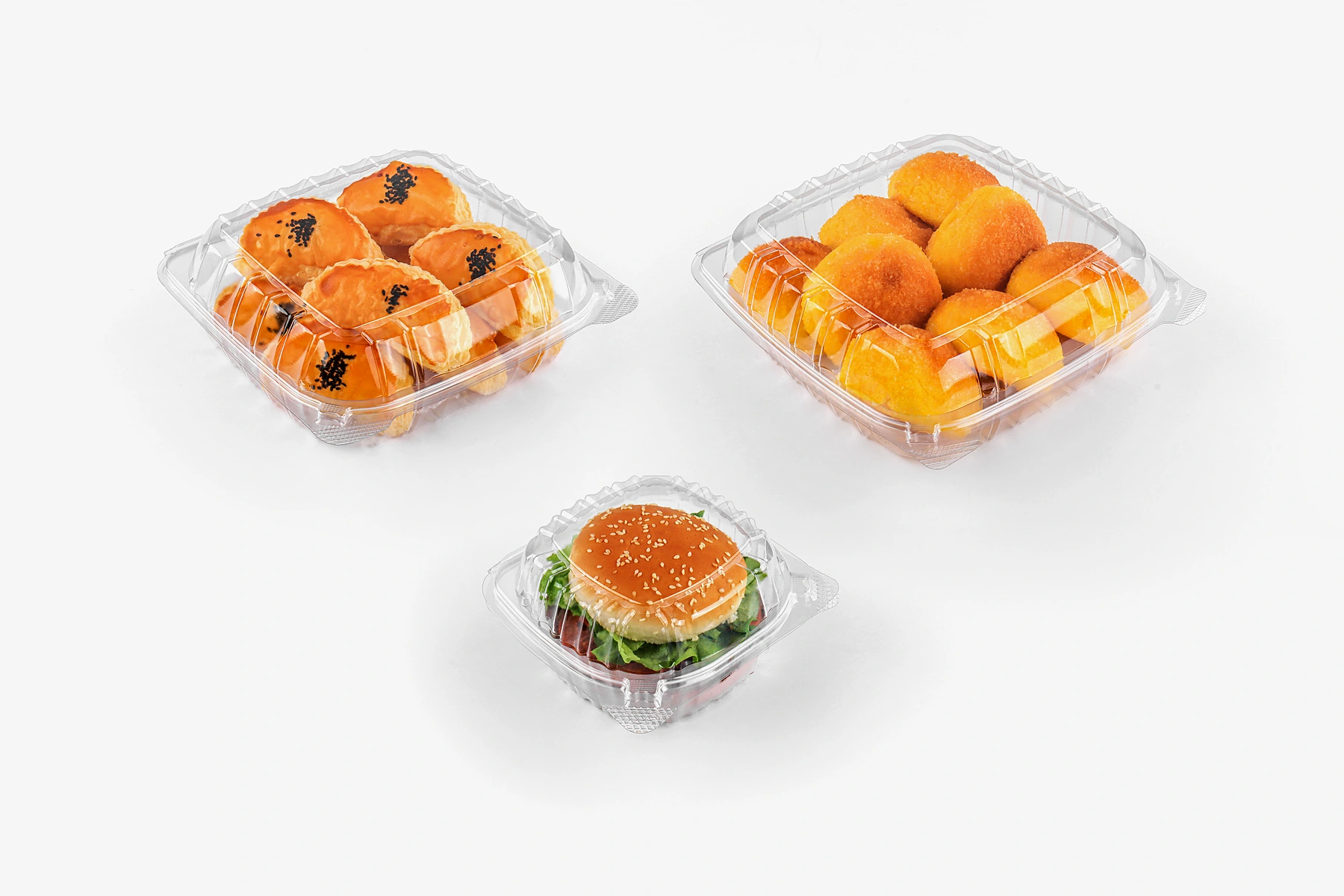
How to Choose the Right Burger Container
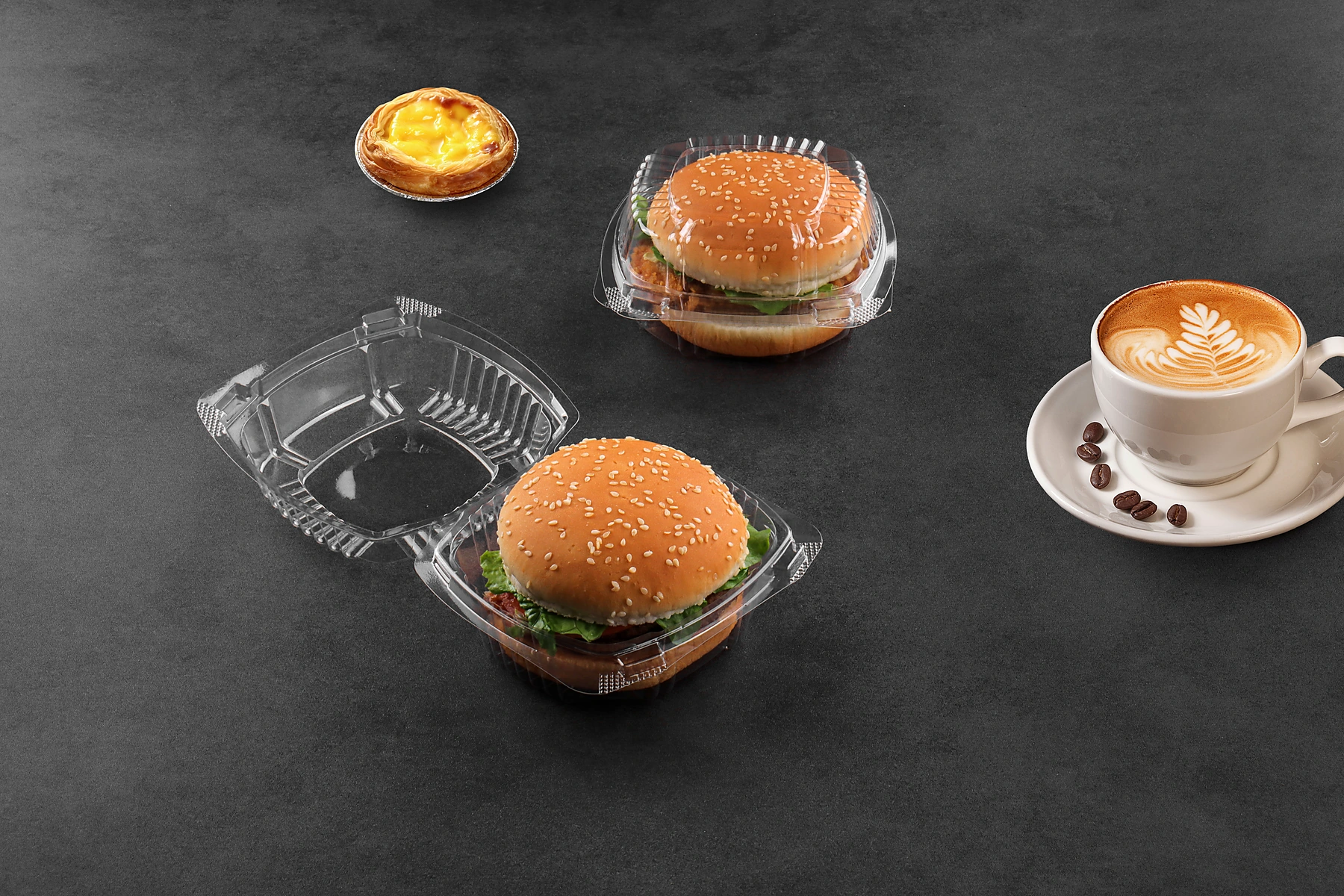
Choosing a burger container is not only about checking the outside dimensions in a specification table. Buyers should also compare the internal base area, usable lid height, closure style, product stability, stacking performance and how the packed burger will look in a retail or takeaway setting.
A low container may be suitable for a simple burger but can compress a premium burger with multiple fillings. A deeper container provides more height, but excessive empty space may allow the product to move or make the package look oversized.
The base should support the burger evenly, while the lid should close without pressing the bun. Buyers should also consider sauces, grease, condensation and whether the container will be used for immediate takeaway, short-distance delivery or refrigerated display.
StlPak helps buyers compare existing PET and rPET burger container models by actual packing use, not only by catalogue size. This makes it easier to narrow down suitable options for burgers, bagel sandwiches, filled buns and grab-and-go meals before requesting samples or confirming a bulk order.
For many takeaway and grab-and-go programs, a clear food-grade PET or rPET hinged container is a practical option. The packaging should provide enough internal height, support the bun, close securely and keep the product visible.
StlPak offers compact, standard, deep and larger burger container formats. Choose a model according to the bun diameter, total finished height, filling volume and required portion size.
The lid should close without pressing the bun, cheese, vegetables or other fillings. Measure the finished product rather than the bun alone and leave enough clearance for normal handling.
Yes. A suitable container may also hold bagel sandwiches, brioche buns, filled rolls and similar grab-and-go foods when the dimensions and packing conditions are compatible.
The actual packing temperature should be tested before bulk use. Sealing food while it is excessively hot may create condensation or affect container performance. Standard PET packaging is not intended for oven or microwave heating.
Choose a base size that closely matches the finished product. Excessive empty space can allow the burger to slide or tilt, while an undersized container may compress the bun and fillings.
Yes. StlPak offers existing burger container molds in different sizes and depths. Free samples are available for checking product fit, lid clearance, closure and takeaway performance.
Yes. We can support label areas, printed labels and automatic labeling for selected products. Buyers should provide the label dimensions, artwork and application requirements for evaluation.
Yes. Custom development can be evaluated when existing models do not meet the required dimensions or structure. Feasibility, mold cost and MOQ depend on the design and expected order volume.
Yes, different models can generally be combined in one shipment, provided each model meets its MOQ and the final loading plan is practical. We can help calculate carton quantities and container utilization.
Burger Containers
See hinged burger containers designed for convenient takeaway and food-service packaging.