
You’ve received quotations from three plastic food container suppliers for what looks like the same container. Supplier A is 6% cheaper. Supplier B quotes the shortest lead time. Supplier C costs slightly more but sends a detailed drawing, defined tolerances, batch inspection records, and a clear explanation of how the container is actually made.
Which one is the lowest-cost option? You can’t tell from the price column alone.
For disposable plastic food containers, the real purchasing risk usually shows up after the quotation stage — a lid that fit perfectly on the sample but comes loose in production, container weight that drifts between orders, inconsistent clarity, an unannounced material change, a mold problem during peak season, or a supplier who can’t trace a complaint back to a production batch.
This guide assumes you’ve already decided what container you need and are now comparing suppliers for rigid disposable plastic food containers — PET/rPET clamshells, trays, punnets, cups and hinged containers. If you’re still defining the product itself, our guides on choosing disposable plastic food containers, food packaging materials, and clamshell vs tray vs cup packaging cover that ground. Once the specification is settled, the question isn’t “what container should I buy” anymore — it’s “which supplier can reproduce this container consistently, order after order.” That’s the comparison this guide is about.
Explore StlPak’s broader Disposable Plastic Food Containers range when comparing formats and applications.
Related guidance: existing versus custom mold guide; shipping-efficiency guide.
Are the Suppliers Even Quoting the Same Container?
Before comparing prices, rule out the most common mistake: comparing products that only look equivalent. Two quotations can both say “1 lb clear PET fruit container” while differing in material and recycled content, finished weight, critical and internal dimensions, wall distribution, lid and locking design, ventilation, carton quantity and dimensions, labeling, and allowed manufacturing tolerances.
A lighter container uses less material. A container that nests more tightly into a carton has a different logistics cost. A similar-looking lid can use a completely different locking geometry. So a lower unit price doesn’t necessarily mean a more efficient supplier — it may just mean you’re being quoted a different product. (Our bulk-buying checklist covers how to align dimensions, samples, carton packing, MOQ and lead time at the RFQ stage.) If the specifications aren’t comparable, you’re comparing products, not suppliers — get the baseline aligned first.
What Does the Supplier Actually Control?
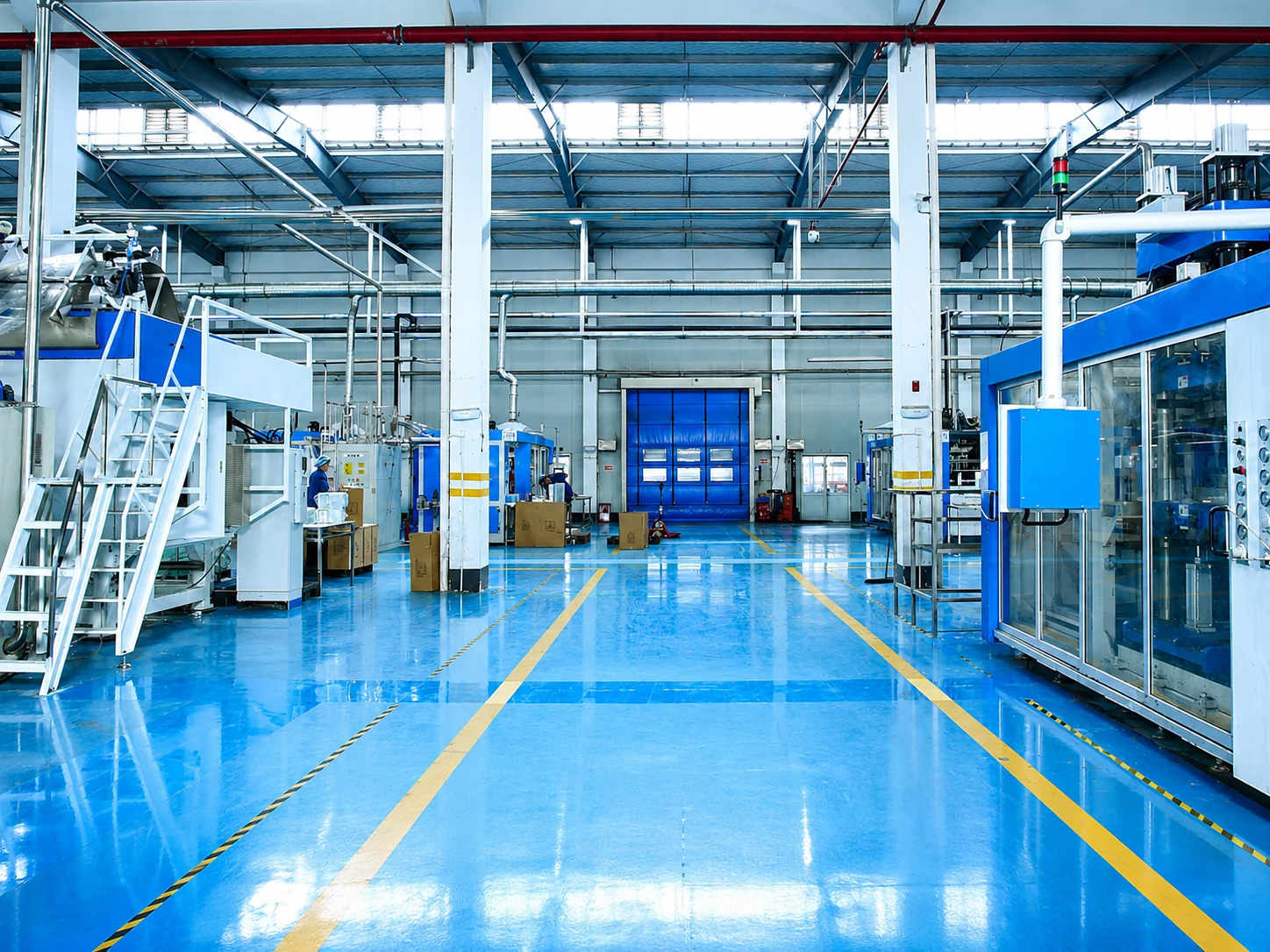
“Are you a manufacturer?” is one of the first questions most overseas buyers ask, but “yes, we’re a factory” tells you less than it sounds like. In China, businesses that describe themselves as factories can represent very different setups. One supplier may control sheet extrusion, thermoforming, mold maintenance, inspection, labeling and packing all under one roof. Another may run a few forming machines while buying in sheet, components, and other critical inputs from elsewhere.
A Real Example: When a Good Sample Didn’t Become a Good Container Load
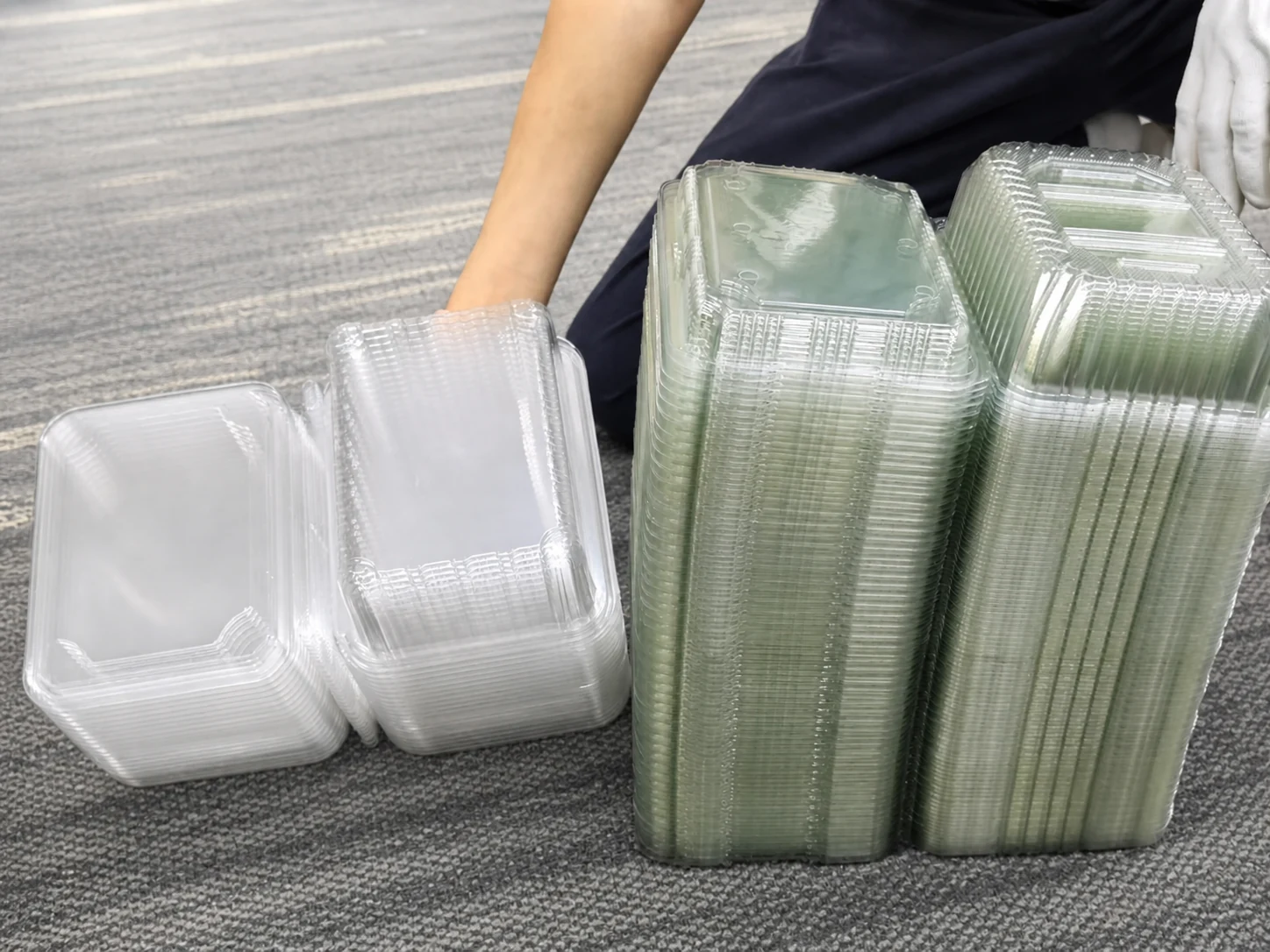
A European customer once described an earlier purchasing experience in Dongguan. Samples from a local supplier tested fine, so the customer placed an order for roughly one container load of food packaging. The mass-production goods were not the same product: there was noticeable color variation between containers, and much of the material had a visible yellow tint. Since the packaging would touch food directly, the customer couldn’t release it to consumers — a significant commercial loss.
The customer mentioned this after starting to work with us, and we later visited that original supplier ourselves. It wasn’t the manufacturing operation the customer had assumed — just a small workshop running two thermoforming machines, with incoming material that showed obvious yellowing. Based on what we saw, our assessment was that the workshop was sourcing low-cost recycled feedstock rather than controlled, traceable rPET suitable for food contact.
That distinction matters because recycled plastic isn’t automatically food-grade rPET. Food-contact recycled PET requires controlled input streams and effective decontamination — EFSA assessments of PET recycling processes evaluate washed post-consumer PET input and treat decontamination stages like temperature, residence time, pressure and gas flow as critical to producing recycled PET suitable for food contact. Traceable, food-grade rPET also isn’t automatically the cheaper option: ICIS has reported food-grade rPET pellets trading at a persistent annual average premium to virgin PET bottle-grade resin, with the European spread near €600 per tonne in early 2025.
The lesson isn’t “small factories are always bad” — that’s the wrong takeaway. It’s that a successful sample doesn’t tell you enough about the manufacturing system behind it. When evaluating a supplier, trace the chain: resin/rPET sourcing → sheet extrusion → thermoforming → trimming → mold maintenance → inspection → labeling → carton packing. Not every supplier needs to run every step in-house, but you should know what’s internal, what’s outsourced, who approves incoming materials, how outsourced steps are controlled, and who’s accountable when specifications drift. More vertical integration doesn’t guarantee better packaging — but it does make responsibility and traceability much easier to evaluate.
Does the Approved Sample Actually Become the Production Standard?
Most buyers ask “can you send samples?” Fewer ask the more important question: after I approve this sample, how do you make sure mass production matches it? A supplier producing ten excellent samples is a different capability from that same supplier turning those ten samples into 50,000, 500,000, or several million consistent containers.
The production standard — depending on the project — should tie the sample to an approved technical drawing, material specification, a physical golden sample, a defined weight range, critical dimensional tolerances, closure performance, appearance and color/clarity requirements, labeling position, carton specification, and inspection criteria. “Same as sample” is useful; “same as approved sample plus defined measurable criteria” is much stronger and far easier to enforce later.
This is also where prototypes can mislead. A 3D-printed prototype is fine for confirming shape, rough dimensions, and general appearance, but it can’t reproduce the physical behavior of an actual thermoformed container — for functional validation, a thermoformed trial is what actually tells you how the container will form, fit, and feel in production. A visual prototype isn’t proof of thermoforming performance; know what your sample is actually proving.
Can the Supplier Prove Consistency Across Orders, Not Just One Good Sample?
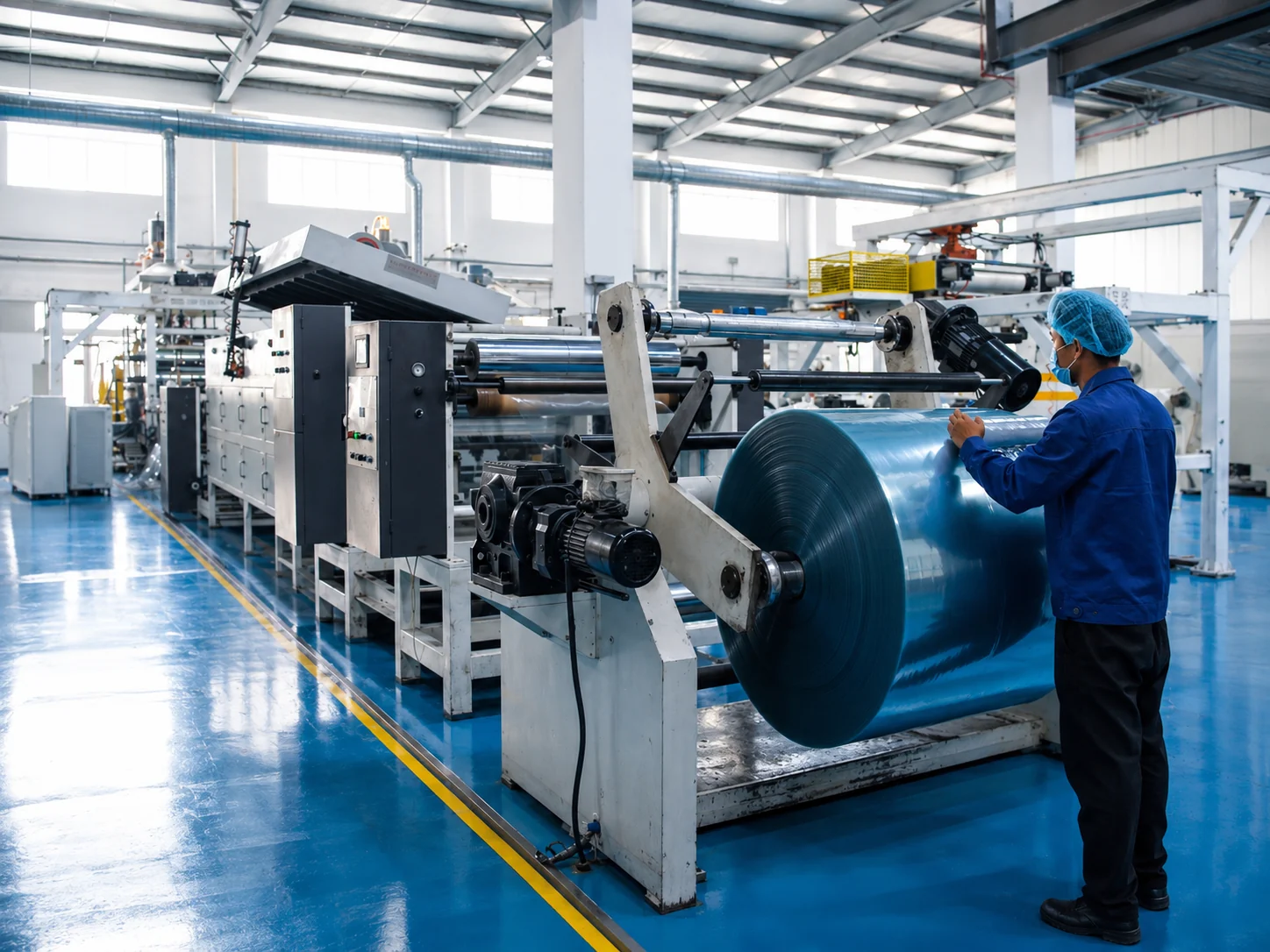
Consistency means producing the same acceptable result across PO #1, PO #2, PO #3, and PO #8 — not just the first batch. This matters especially in thermoforming, where the finished container is shaped by more than the resin name: material distribution, wall thickness, forming definition, trimming, stacking behavior, closure fit, finished weight and appearance all shift with production conditions.
“Do you have QC?” is a weak question — almost every manufacturer says yes. Ask what their QC team actually measures instead:
| Weak Question | Better Question |
|---|---|
| Do you have quality control? | Which dimensions are inspected during production for this SKU? |
| Is your quality stable? | What production tolerances are defined for this container? |
| Do you inspect every order? | Can you show a typical batch inspection record? |
| Is the lid secure? | How do you verify lid/base or hinged-lid closure consistency? |
| Do you use food-grade PET? | How do you identify and record the material batch used for my run? |
The goal isn’t a long questionnaire — it’s figuring out whether “quality” is a measurable production system or just a sales claim.
Lid fit is where this shows up most visibly: a container can look fine and still fail because the lid is hard to close, too loose, pops open at one corner, springs back on a hinge, or fits inconsistently batch to batch. For clamshells and hinged containers, several locking points have to work together; for separate lids and bases, dimensional compatibility has to hold across batches. So don’t just test “can I close the sample” — ask how the supplier controls closure performance when normal production variation happens. If lid fit is critical for your operation, define it before production starts, not after cartons arrive.
What Happens When Something Changes?
Long-term purchasing carries a risk that’s easy to overlook: the supplier changes something and you don’t find out. Resin supplier, recycled-content source, sheet specification or thickness, mold repair, replacement tooling, forming equipment, labeling material, carton configuration, even production location — any of these can shift quietly between orders.
Not every change needs customer approval, but critical ones should follow a defined process. Ask directly what changes would require the supplier to inform you before the next run, and — for an important SKU — which changes require your approval before they proceed. This is change control, and it matters more as packaging runs on automated equipment, once a retailer has approved the exact packaging, when labeling position is controlled, when recycled-content claims are being made, or when the same SKU will be reordered for years. A supplier who documents changes and tells you about them reduces the risk of finding out only after the shipment lands.
Do the Compliance Documents Actually Apply to Your Product?
Food-contact compliance matters, but the material and regulatory fundamentals are covered in our Food Packaging Material Guide; this section is about comparing suppliers, not materials. The better principle here: don’t count how many certificates a supplier has — ask whether the documents actually apply to the product you’re buying. Which facility does the certificate cover? Which resin or material does the test report cover? Does the test condition match your food-contact application? Is it current? Does an rPET claim have supporting chain-of-custody documentation? Can the supplier connect the finished batch back to its raw-material records?
A supplier can have an impressive document folder and still not be able to answer the one question that matters: what evidence applies to this container, made in this facility, from this material? That connection matters most when something goes wrong — a useful supplier can work backward from a complaint (finished carton → production batch → forming records → material lot) to isolate whether the issue touched one carton, one shift, one machine, one material lot, or the whole shipment. Without that trail, every complaint turns into guesswork.
Stock Mold or Custom Tooling?
Customization gets pitched as a supplier advantage, but a supplier recommending new tooling isn’t automatically giving you the best answer. Before approving custom tooling, ask whether an existing mold can already meet the functional requirement — a stock mold usually means lower development cost, faster sampling, shorter time to market, and lower technical risk.
Custom tooling earns its cost when the project genuinely needs something no existing mold provides — unique dimensions, specific food geometry, a proprietary closure, branding features, automated packing requirements, or unusual stacking needs. A capable supplier should be willing to weigh both options rather than defaulting to a new mold; an existing container that covers 95% of your needs is often the better commercial call, and forcing an unsuitable stock container onto a product just to avoid tooling cost creates its own problems later. The real capability to look for isn’t “can you make a custom mold” — it’s whether the supplier can tell you when a custom mold is actually necessary.
Is the Supplier’s Capacity Actually Available When You Need It?
“What’s your monthly production capacity?” is a useful question but an incomplete one — a supplier can claim high total capacity while having very little of it available for your SKU during peak season. Total capacity isn’t the same as available capacity.
Ask instead how production behaves under real conditions: normal lead time for a repeat SKU, how that lead time shifts in peak season, whether multiple suitable forming lines exist, how far ahead seasonal customers need to reserve capacity, what happens if a mold needs repair, whether key raw material is reserved in advance or bought PO by PO, whether multiple SKUs can consolidate into one shipment, and whether there’s a backup if the scheduled line goes down. This matters most for fresh produce packaging — a blueberry, grape or strawberry packer doesn’t care that a supplier can eventually make the containers; the packaging has to arrive before the fruit needs packing, and a missed seasonal window costs far more than any savings from a slightly cheaper container.
How Does the Supplier Handle It When Something Goes Wrong?
Every supplier promises good quality, stable delivery, and quick response during the sales process — none of that is comparable. What is comparable is how a company actually handles problems: who reviews it when a lid doesn’t close correctly, whether the supplier can identify which cartons carry a wrong label version, what evidence they need when cartons arrive damaged, whether they can trace a batch showing unexpected dimensional variation, and when they tell you if production is going to be delayed.
A mature corrective-action process can generally answer four questions: what happened, which products or batches are affected, why it happened, and what prevents it from happening again. Not every minor complaint needs a formal quality report, but for anything recurring or serious, “we’ll be more careful next time” isn’t a corrective action.
Communication is part of the same evaluation, and it’s easy to underrate until there’s an actual problem to communicate. During supplier qualification, notice whether technical questions get specific answers, whether drawings and specs are version-controlled, whether promised dates hold up, whether bad news arrives early rather than late, and whether sales can actually coordinate with production and QC. A supplier who replies in five minutes but can’t answer a technical question isn’t more responsive than one who takes a few hours and comes back with real production data — the metric that matters is decision-useful response speed, not raw speed.
Building a Supplier Scorecard
After talking to four or five suppliers, the decision can get surprisingly subjective — one salesperson communicated better, one quotation looked cleaner, one had the lowest price, another sent the nicest samples. A scorecard pulls the comparison back to the actual requirements of the project. A reasonable starting point:
| Supplier Comparison Area | Suggested Weight |
|---|---|
| Product and specification match | 15% |
| Manufacturing control | 15% |
| Production consistency and QC | 20% |
| Compliance and traceability | 10% |
| Tooling and development capability | 10% |
| Capacity and supply resilience | 10% |
| Problem resolution and communication | 10% |
| Commercial cost | 10% |
| Total | 100% |
These weights aren’t a standard — adjust them to your business. Fresh produce packers tend to weight repeat supply, closure consistency, nesting and stacking, carton efficiency, seasonal capacity and price more heavily. Retail food brands lean toward clarity and appearance, specification consistency, labeling, compliance, traceability and change control. New product development teams often prioritize existing mold availability, prototype speed, tooling, and engineering communication. The scorecard should answer one question: what’s most expensive to get wrong in this project? That factor gets the extra weight.
That’s also why the cheapest quotation can end up the most expensive supplier. A supplier with undefined tolerances, inconsistent lid fit, an unclear recycled-material source, undocumented process changes and delivery dates that keep moving may still be the right choice — if you’ve validated those risks and can live with them. But the lower price alone doesn’t prove that. A small per-unit saving disappears fast against rejected packaging, repacking, a stopped production line, a missed produce season, unusable inventory, retailer complaints, food loss, or an emergency replacement order. Unit price and procurement risk are two separate comparisons — the goal isn’t the cheapest container, it’s the lowest total risk-adjusted supply solution for your application.
Supplier Comparison Checklist
- [ ] Are all suppliers quoting the same material and product specification?
- [ ] Do I know which manufacturing steps the supplier actually controls?
- [ ] Is the raw-material source identifiable and appropriate for food-contact packaging?
- [ ] Is the approved sample connected to a written production specification?
- [ ] Are critical product tolerances defined?
- [ ] Do I know what QC checks are performed during production?
- [ ] Can the supplier provide a representative batch inspection record?
- [ ] Is lid or closure performance controlled across production runs?
- [ ] Are material, tooling or process changes subject to notification or approval?
- [ ] Do certificates and reports apply to the actual material and producing facility?
- [ ] Can the finished product be traced back to its production and raw-material batch?
- [ ] Has the supplier checked whether a stock mold can meet the requirement before proposing custom tooling?
- [ ] Is production capacity available during my actual buying season?
- [ ] Is there a procedure for complaints, root-cause investigation and corrective action?
- [ ] Have I compared supplier risk as well as unit price?
If several of these can’t be answered yet, you probably don’t have enough information to compare suppliers properly.
Final Thoughts
Comparing plastic food container suppliers isn’t about finding the longest certification list, the largest claimed capacity, or the lowest quotation — those are data points, not proof of reliable supply. The real comparison starts after the samples and quotations arrive: who controls the manufacturing process, how an approved sample becomes a production standard, how normal manufacturing variation is controlled, whether critical changes get communicated, whether materials and finished batches are traceable, whether tooling and capacity can support repeat orders, and what happens when something goes wrong.
The question worth asking isn’t “who can make this container” — plenty of suppliers can make it once. It’s “who can make the same approved container consistently, at the required volume, order after order.” That’s the difference between comparing quotations and comparing suppliers, and for long-term procurement it’s usually worth far more than a small gap in unit price. At StlPak, this is the standard we try to hold ourselves to with every customer we quote.
Frequently Asked Questions
How do I compare plastic food container suppliers?
First make sure every supplier is quoting the same specification. Then compare manufacturing control, sample-to-production consistency, QC methods, tolerances, material traceability, change control, tooling capability, available capacity and problem-resolution processes. Unit price should be one part of the comparison rather than the only factor.
Is the cheapest plastic food container supplier usually the lowest-cost supplier?
Not necessarily. A lower unit price can be offset by inconsistent quality, poor carton efficiency, production delays, rejected inventory, closure problems or emergency replacement purchases. Compare the commercial price together with the operational risk.
How can I verify whether a plastic food container supplier is really a manufacturer?
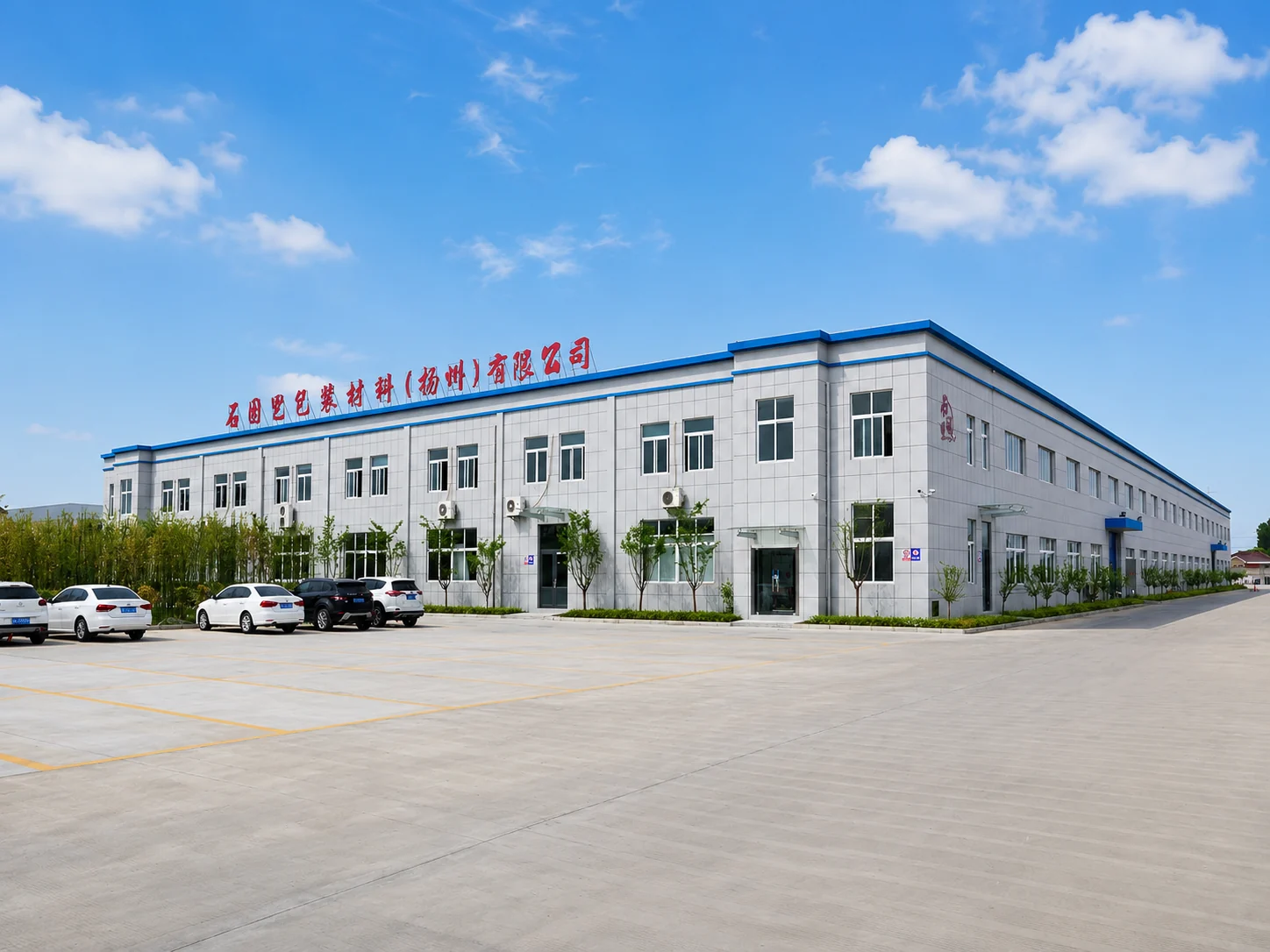
Don’t rely only on the word “factory.” Ask which processes are performed in-house, what production equipment is used, where sheet or resin comes from, how molds are maintained, how inspection is performed and which processes are outsourced. For larger projects, a factory audit or third-party inspection can provide additional verification.
What should I check when comparing PET and rPET container suppliers?
Confirm the material specification, recycled-content claim, food-contact documentation and traceability. Don’t assume any recycled PET is equivalent to controlled food-grade rPET. For more on material differences and suitable applications, see our Food Packaging Material Guide and PET Containers for Food guide.
Should I choose a stock food container or develop a custom mold?
Use a stock container when an existing design meets the functional requirements and gives acceptable appearance, packing efficiency and performance. Custom tooling becomes worthwhile when dimensions, closure, branding, automation or food fit can’t be achieved with an existing mold. A capable supplier should evaluate both options before recommending new tooling.
What is the most important question to ask a plastic food container supplier?
For repeat purchasing, one of the most useful questions is: “How do you ensure the container I approve today remains the same container in future production batches?” The answer usually reveals far more than a general claim of “stable quality” — and it’s a question StlPak is glad to answer in detail for anyone comparing suppliers.