
If an existing mold can meet your packaging requirements, use the existing mold. For most food packaging buyers, the answer really is that simple. A custom food packaging mold comes with tooling cost, development time, and a full sampling and testing cycle — and there’s little reason to take on any of that if a manufacturer’s existing container already fits your food, your packing process, and your target market. At StlPak, we work from a library of nearly 500 existing food packaging molds, covering fruit containers, clamshells, trays, cups, deli containers, dessert containers, and other PET food packaging formats. For most new projects, we start by searching this library for the closest match, then send samples for testing with the actual food — only after that do we discuss whether further mold development is needed at all.
Explore StlPak’s broader Disposable Plastic Food Containers range when comparing formats and applications.
Related guidance: food container design guide; container selection guide; bulk purchasing checklist.
When an Existing Mold Is the Better Choice
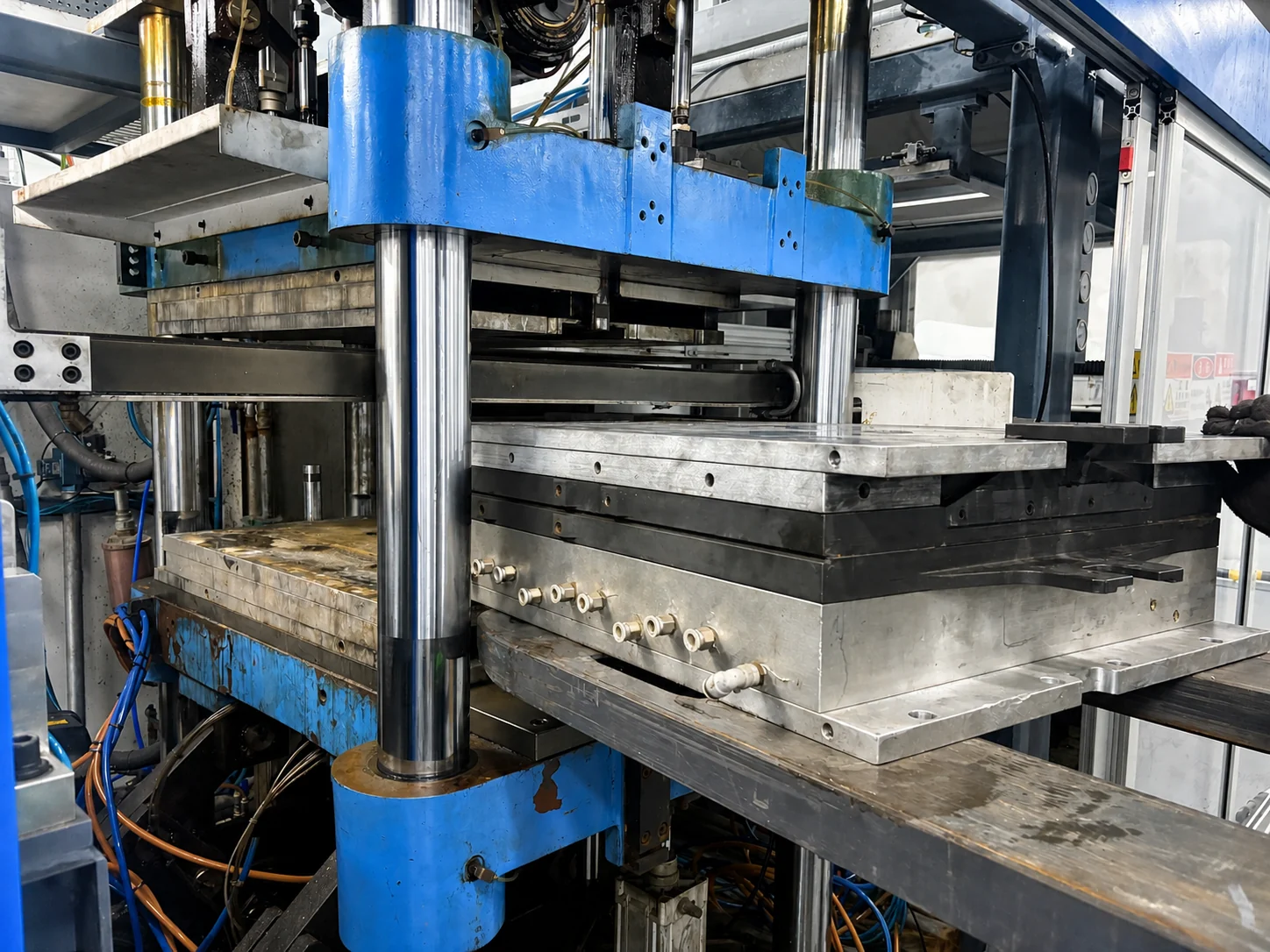
An existing mold is the right choice whenever it already satisfies the requirements that actually matter for your product. In practice, that means checking a short list of fit criteria before considering anything custom:
- The food fits correctly — the container’s shape and depth accommodate the product without waste or damage in transit.
- The required capacity is available — the volume matches your fill weight or portion size.
- The lid closes properly — sealing, stacking, and tamper-evidence work as intended.
- The dimensions work with your packing process — the container runs on your existing filling and sealing equipment without modification.
- The container meets your retail or distribution requirements — it fits shelf space, display standards, or shipping cartons.
It’s worth noting that the dimensions don’t need to match your original concept exactly. If a slightly different existing size does the same job just as well, building a brand-new mold for the sake of matching an initial idea only adds unnecessary cost and lead time. This flexibility is especially useful for buyers launching a new product: instead of committing to tooling before knowing whether the package actually works, you can test a real, existing container first and validate the concept before spending anything on development.
When You Actually Need a Custom Food Packaging Mold
A custom mold becomes necessary when your requirement genuinely cannot be met by an existing product — not when an existing product is merely “close enough” in theory but wrong in practice.
Real Example: A Custom Cup Lid for an Australian Customer
We worked with an Australian customer who needed a particularly long cup lid for their packaging project. The required dimensions and structure were significantly different from our existing cup and lid models, so no amount of substitution would have solved the problem — choosing a similar existing lid simply wouldn’t have worked for their product. That’s exactly the kind of situation where a custom food packaging mold earns its cost: the need is structural, not a matter of preference.
Other situations that typically call for custom tooling include:
- Unusual dimensions that fall outside the range of standard containers.
- Special compartment layouts, such as multi-section trays for mixed products.
- Packaging built to fit specific equipment, where the container must match a particular filling or sealing line.
- Unique lid or closure structures that standard lids can’t replicate.
- A product shape that cannot fit any existing container, regardless of adjustments.
Existing Mold vs Custom Mold: Quick Comparison
| Factor | Existing Mold | Custom Mold |
|---|---|---|
| Tooling cost | None — mold already exists | Required upfront investment |
| Development time | Minimal — sample and confirm | Weeks to months for design and tooling |
| Best suited for | Standard shapes, capacities, and closures | Unique dimensions, compartments, or equipment fit |
| Risk | Low | Higher until first samples are validated |
| Typical buyer | Most food packaging projects | Projects with a genuine structural requirement |
StlPak’s Approach: Test First, Customize Only When Necessary
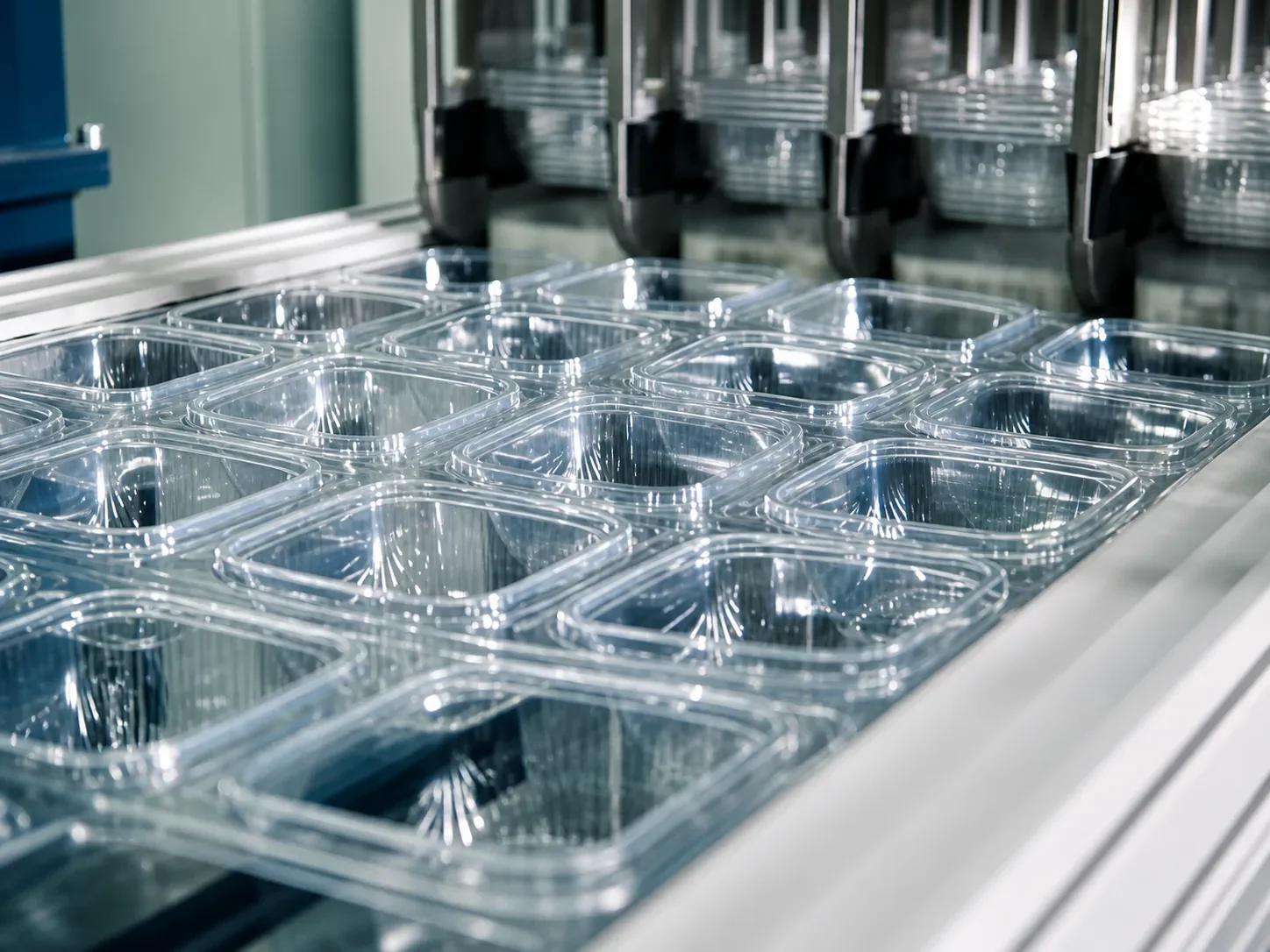
Our process at StlPak follows a simple sequence: existing mold → sample test → confirm fit → custom mold only if necessary. Custom packaging doesn’t automatically mean custom tooling. If one of our existing molds already meets your requirements, using it saves both tooling cost and development time. If none of the existing options work, that’s when it makes sense to talk about a custom mold.
The goal isn’t to create a new mold whenever possible — it’s to find the simplest, most cost-effective packaging solution that actually works for your product.